
Classification and Application of Electric Tools
Electric tools, with their efficient and convenient characteristics, are widely used in various industries. They come in a wide range of types and functions, from handheld small tools to large industrial equipment, all playing important roles in different working environments. This article will introduce in detail the characteristics, functions, and application scenarios of various electric tools in different industries.
I. Handheld Electric Tools
Handheld electric tools, due to their small size, lightness, and ease of operation, have become powerful assistants in industries such as households, maintenance, and decoration.
-
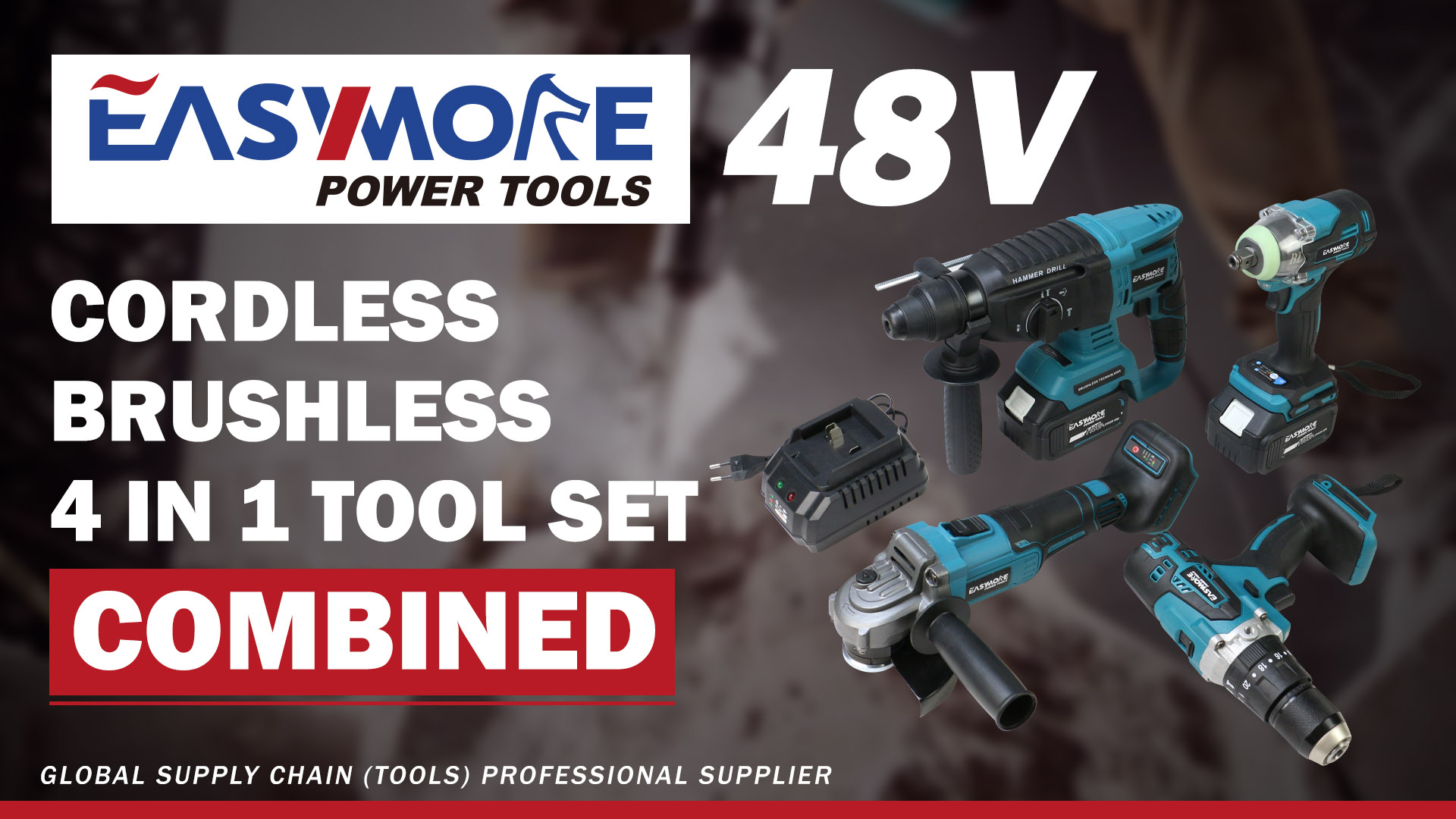
Electric Drill: Electric drills are mainly used for drilling and are widely applied in construction, decoration, and carpentry. By replacing drill bits of different diameters, they can adapt to the drilling needs of different materials.
-
Electric Grinder: Used for grinding, polishing, and cutting metal surfaces, it is commonly seen in metal processing and automotive repair industries.
-
Electric Screwdriver: Quickly installing and removing screws, it is an essential tool for industries such as decoration and furniture manufacturing.
II. Industrial Electric Equipment
Industrial electric equipment is usually larger in size and has higher power, suitable for large-scale production and processing.
-
Electric Motor: The electric motor is the core component of industrial equipment, providing power for various machines and widely used in manufacturing, energy, transportation, and other fields.
-
Electric Saw: Used for rapid cutting of materials such as wood and metal, it is commonly found in construction, furniture manufacturing, and metal processing industries.
-
Electric Pump: Used for liquid transportation and pressurization, it is widely applied in the production processes of chemical, pharmaceutical, and food industries.
III. Electric Tools for Professional Use
There are also electric tools specifically designed for specific industries or tasks.
-
Electric Welder: Used for metal welding, it is a key piece of equipment in industries such as construction, shipping, and automobiles.
-
Electric Sander: Used for grinding and polishing hard materials such as concrete and stone, it is commonly seen in construction decoration and stone processing industries.
-
Electric Garden Tools: Such as electric lawn mowers and electric pruning shears, they are suitable for horticulture, agriculture, and park maintenance.
IV. How Electric Tools Improve Work Efficiency and Safety
Electric tools greatly improve work efficiency by providing powerful power sources and precise control. Compared to traditional manual tools, electric tools can complete tasks faster and reduce labor costs. At the same time, many electric tools are equipped with intelligent control systems that can automatically adjust speed and power to meet different work demands.
In terms of safety, electric tools have also made many improvements. For example, many electric tools are equipped with safety devices such as overload protection and overheat protection to prevent equipment damage or personal injury caused by prolonged operation or improper operation. In addition, some high-end electric tools adopt low-noise and low-vibration designs, improving the operator's comfort.
In conclusion, electric tools come in a wide range of types and functions and are widely used in various industries. They not only improve work efficiency but also enhance work safety. With the continuous progress of technology, electric tools will continue to develop and improve, bringing more convenience to our lives and work.
The Core of Cordless Convenience: The Role of Battery Technology in Electric Tools