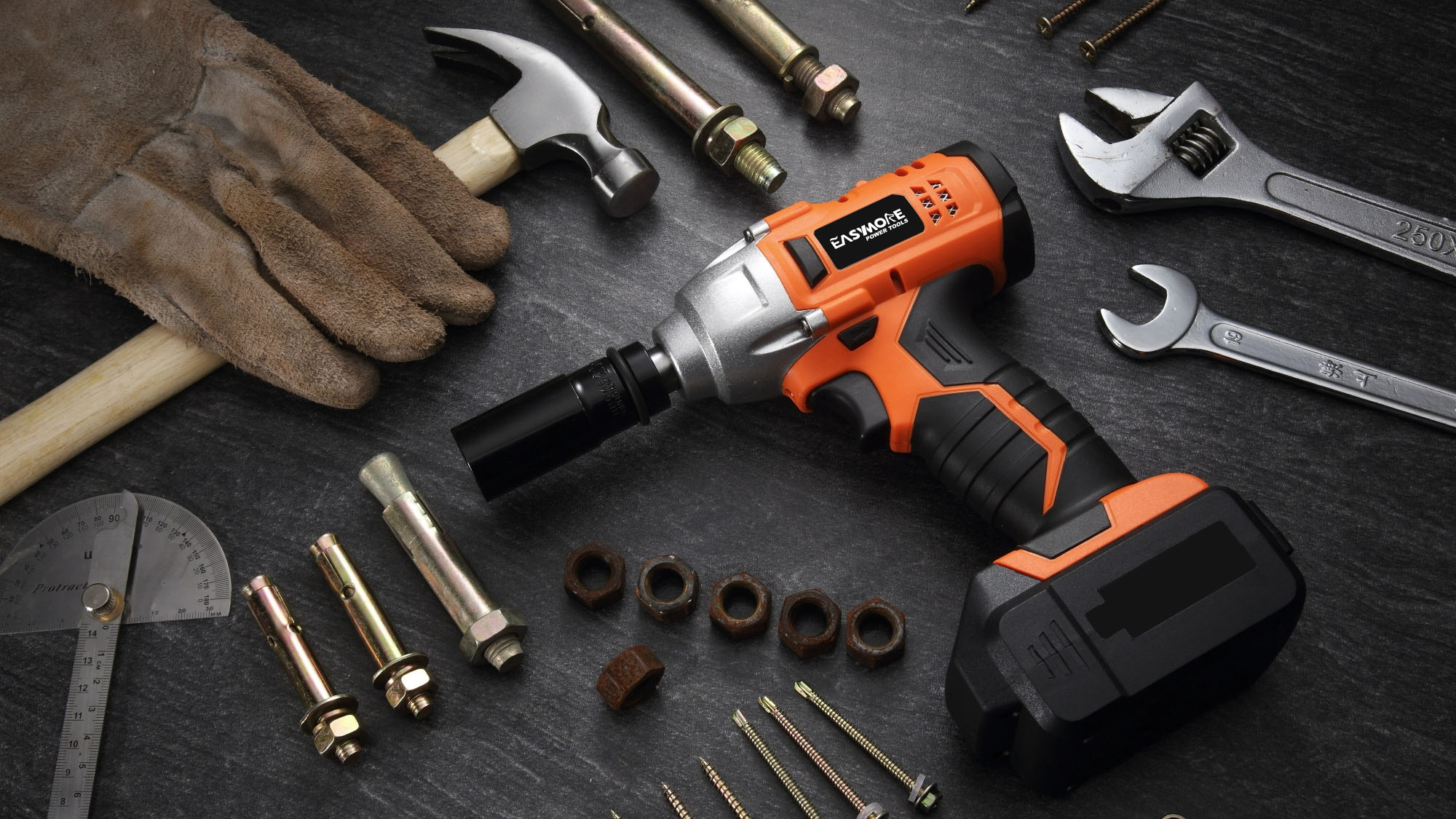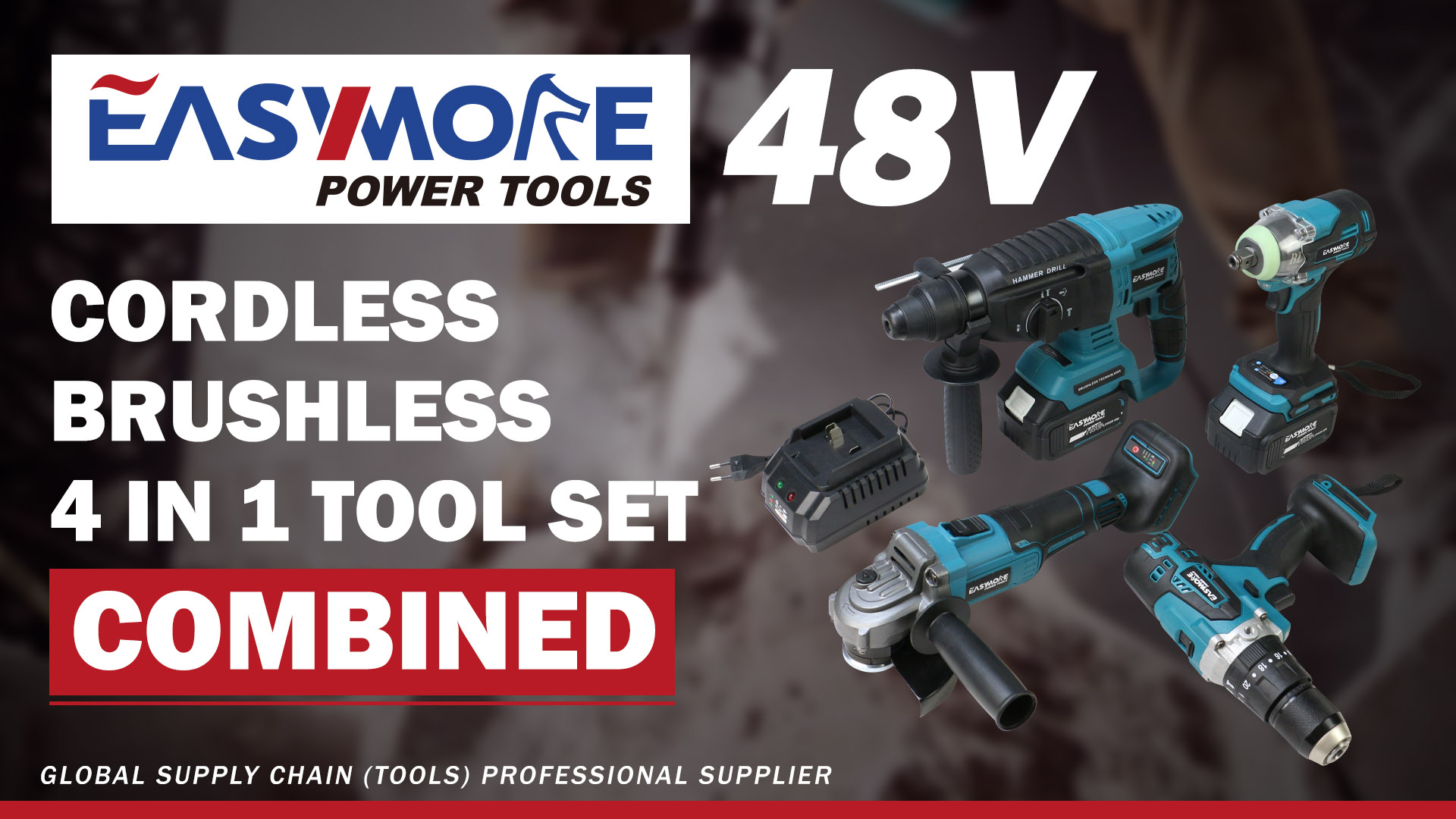

The Core of Cordless Convenience: The Role of Battery Technology in Electric Tools

In today's fast-paced world, efficiency and mobility are key. This is especially true in the realm of electric tools, where the evolution of battery technology has transformed the landscape. In this blog, we'll explore the pivotal role of batteries in electric tools, focusing on recent advancements and their impact on both professional and home usage.
The Heartbeat of Electric Tools: Battery Innovation
At the core of every cordless electric tool lies its battery - the source of power that has seen significant advancements over the years. From the early days of NiCd batteries to the modern Li-ion and beyond, each leap in battery technology has brought with it a new wave of possibilities.
1. Lithium-Ion: A Game Changer
The introduction of lithium-ion (Li-ion) batteries marked a turning point. With higher energy density, longer life, and no memory effect compared to older battery types, Li-ion batteries have become the standard in portable electric tools.
2. Fast Charging and Longer Life
One of the most significant improvements in battery technology is the ability to charge quickly and retain charge longer. This advancement has made electric tools more reliable and efficient, especially crucial in professional settings where time is money.
3. Battery Management Systems (BMS)
Modern batteries are equipped with sophisticated BMS. These systems monitor the battery's state, controlling charging and discharging to maximize lifespan and safety.
The Future is Bright and Battery-Powered
The future of battery technology holds immense promise. We're looking at potentials like solid-state batteries, which offer even greater energy densities and safety profiles. The advent of graphene and other new materials could lead to batteries that charge in minutes and last even longer.
Real-World Impact: How Batteries Shape Tool Use
1. Professional Use: Efficiency on the Go
For professionals, the reliability and endurance of batteries mean the ability to work uninterrupted, without the constraints of cords or the need for constant recharging. This freedom allows for greater flexibility and efficiency on job sites.
2. Home Use: Powering DIY Projects
In the realm of DIY, cordless tools have opened a world of possibilities. Home users enjoy the convenience of powerful tools that are no longer tethered to outlets, making tasks like remodeling, repairs, and hobbies more accessible.
Sustainability and Recycling: The Environmental Angle
As we embrace battery-powered tools, it's crucial to consider the environmental impact. Advances in battery recycling and efforts to make batteries more sustainable are key to ensuring that this technology is as green as it is powerful.
Battery technology is not just an aspect of electric tools; it's their lifeblood. The ongoing advancements in this field are not only enhancing the capabilities of the tools but also redefining what we can achieve, both professionally and at home. As we look forward, the potential for more powerful, efficient, and environmentally friendly batteries seems limitless, promising a future where cordless power tools continue to play a vital role in our lives.
Classification and Application of Electric Tools
The Evolution and Utility of Electric Toolkits: Revolutionizing Home Improvement and Professional Tasks